Buy victoriasway.eu ?
We are moving the project
victoriasway.eu .
Are you interested in purchasing the domain
victoriasway.eu ?
domain@kv-gmbh.de · 0541-91531010
Buy victoriasway.eu ?
Is guided imagery a form of meditation?
Guided imagery can be considered a form of meditation, as it involves focusing the mind on specific images or scenarios to promote relaxation, reduce stress, and enhance overall well-being. Like traditional meditation practices, guided imagery encourages mindfulness and deep concentration, allowing individuals to connect with their inner thoughts and emotions. However, guided imagery typically involves more external guidance or direction from a facilitator or recorded audio, whereas traditional meditation often involves self-guided practice. **
What is the effect of language imagery?
Language imagery can have a powerful effect on the reader or listener by creating vivid mental images that evoke emotions and sensory experiences. It can make the writing more engaging and memorable, as well as help to convey complex ideas in a more accessible way. By using descriptive and evocative language, imagery can also enhance the overall tone and mood of a piece of writing, allowing the audience to connect more deeply with the message being conveyed. **


Similar search terms for Imagery
Top-Angebote
Products related to Imagery:
-
ModernMart Zen Sphynx Cat Buddha Figurine Meditation Yoga Garden Decor Statue cExperience a sense of calm the moment you lay eyes on this charming piece. This Sphynx cat figurine blends playful personality with peaceful mindfulness, making it perfect for anyone who loves unique decor with meaning. Designed in a serene...31,97 $*Shipping: 0,00 $Secure redirect to the provider
-
GDFStudio - Oriental Zen Resin Reclining Buddha Sculpture Asian Meditation Indoor Outdoor Decor FigurineThis reclining Buddha statue is crafted from thick polished solid resin with delicate carved details and traditional porcelain pattern robe.117,44 $*Shipping: 0,00 $Secure redirect to the provider
-
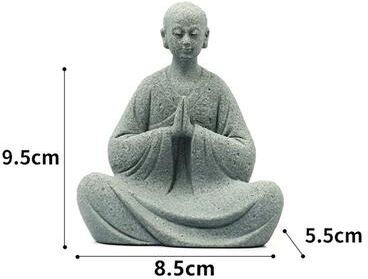
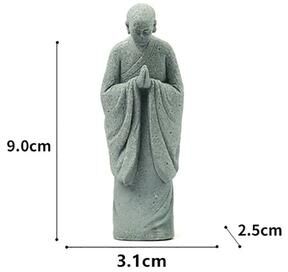
Inspire Essentials Zen Monk Miniature Statue Meditation Garden Aquarium Decor bCreate a peaceful and balanced space with this zen monk statue designed to bring calm and mindfulness into your environment. With its simple yet expressive form this buddhist garden decor adds a sense of serenity whether placed in a fish tank garden...49,98 $*Shipping: 0,00 $Secure redirect to the provider
-
Inspire Essentials Zen Monk Miniature Statue Meditation Garden Aquarium Decor cCreate a peaceful and balanced space with this zen monk statue designed to bring calm and mindfulness into your environment. With its simple yet expressive form this buddhist garden decor adds a sense of serenity whether placed in a fish tank garden...49,98 $*Shipping: 0,00 $Secure redirect to the provider


-
Is there a timer for mindfulness training, meditation, yoga, and spirituality?
There is no set timer for mindfulness training, meditation, yoga, and spirituality as it varies from person to person. Some people may find it helpful to start with short sessions, such as 5-10 minutes, and gradually increase the duration as they become more comfortable. Others may prefer longer sessions right from the start. It's important to listen to your body and mind and find a timing that works best for you. The key is to be consistent and make it a regular practice in your daily routine. **
-
Is a mental imagery something like an afterimage?
No, mental imagery is not the same as an afterimage. Mental imagery refers to the ability to create a mental representation of sensory information in the absence of actual sensory input, such as visualizing an object or scene in one's mind. Afterimages, on the other hand, are visual perceptions that occur after the original stimulus has been removed, often as a result of staring at a bright light or object. While both mental imagery and afterimages involve visual perception, they are distinct phenomena with different underlying mechanisms. **
-
Can you please provide an explanation of linguistic imagery?
Linguistic imagery refers to the use of language to create vivid mental images and sensory experiences for the reader or listener. It involves the use of descriptive and figurative language, such as similes, metaphors, and sensory details, to evoke emotions and convey a deeper understanding of the subject. By using linguistic imagery, writers and speakers can paint a more detailed and engaging picture in the minds of their audience, making their message more impactful and memorable. This technique is commonly used in poetry, literature, and persuasive writing to bring words to life and appeal to the reader's senses. **
-
What are meditation and mindfulness?
Meditation is a practice that involves focusing the mind on a particular object, thought, or activity to train attention and awareness, and achieve a mentally clear and emotionally calm state. Mindfulness is a type of meditation that involves paying attention to the present moment without judgment. It involves being fully aware of your thoughts, feelings, bodily sensations, and surrounding environment. Both meditation and mindfulness have been shown to have numerous benefits for mental and physical well-being, including reducing stress, improving focus, and enhancing overall quality of life. **

Is loving-kindness meditation sufficient instead of mindfulness meditation?
Loving-kindness meditation and mindfulness meditation serve different purposes and can complement each other. While mindfulness meditation focuses on being present and aware of one's thoughts and feelings without judgment, loving-kindness meditation cultivates feelings of compassion and goodwill towards oneself and others. Both practices can be beneficial for overall well-being, and individuals may choose to incorporate both into their meditation routine for a more holistic approach to mental and emotional health. Ultimately, the effectiveness of each practice depends on the individual's specific needs and goals. **
What is the difference between mantra meditation and mindfulness meditation?
Mantra meditation involves focusing on a specific word, phrase, or sound to quiet the mind and cultivate a sense of inner peace. This repetition helps to anchor the mind and prevent distractions. On the other hand, mindfulness meditation involves being fully present in the moment, observing thoughts, feelings, and sensations without judgment. It emphasizes awareness of the present moment and acceptance of whatever arises. Both practices can help reduce stress and improve overall well-being, but they differ in their specific techniques and focuses. **
Top-Angebote
Products related to Imagery:
-
Inspired Living Zen Serenity Mini Buddha Aquarium Statue Green Sandstone Zen Fish Tank Decor meditation bThis peaceful green sandstone Buddha figurine transforms any aquarium, desktop, or garden nook into a haven of calm and mindfulness. Designed for aquarists, home decorators, and anyone longing for quiet moments, the ZenSerenity Mini Buddha Aquarium...52,97 $*Shipping: 0,00 $Secure redirect to the provider
-
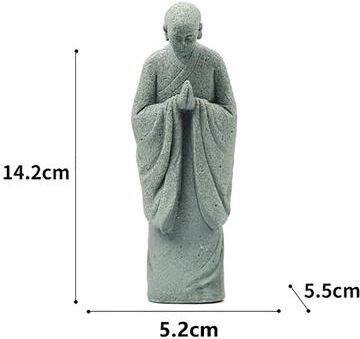
Inspire Essentials Zen Monk Miniature Statue Meditation Garden Aquarium Decor dCreate a peaceful and balanced space with this zen monk statue designed to bring calm and mindfulness into your environment. With its simple yet expressive form this buddhist garden decor adds a sense of serenity whether placed in a fish tank garden...49,98 $*Shipping: 0,00 $Secure redirect to the provider
-
ModernMart Zen Sphynx Cat Buddha Figurine Meditation Yoga Garden Decor Statue cExperience a sense of calm the moment you lay eyes on this charming piece. This Sphynx cat figurine blends playful personality with peaceful mindfulness, making it perfect for anyone who loves unique decor with meaning. Designed in a serene...31,97 $*Shipping: 0,00 $Secure redirect to the provider
-
GDFStudio - Oriental Zen Resin Reclining Buddha Sculpture Asian Meditation Indoor Outdoor Decor FigurineThis reclining Buddha statue is crafted from thick polished solid resin with delicate carved details and traditional porcelain pattern robe.117,44 $*Shipping: 0,00 $Secure redirect to the provider
-
Is guided imagery a form of meditation?
Guided imagery can be considered a form of meditation, as it involves focusing the mind on specific images or scenarios to promote relaxation, reduce stress, and enhance overall well-being. Like traditional meditation practices, guided imagery encourages mindfulness and deep concentration, allowing individuals to connect with their inner thoughts and emotions. However, guided imagery typically involves more external guidance or direction from a facilitator or recorded audio, whereas traditional meditation often involves self-guided practice. **
-
What is the effect of language imagery?
Language imagery can have a powerful effect on the reader or listener by creating vivid mental images that evoke emotions and sensory experiences. It can make the writing more engaging and memorable, as well as help to convey complex ideas in a more accessible way. By using descriptive and evocative language, imagery can also enhance the overall tone and mood of a piece of writing, allowing the audience to connect more deeply with the message being conveyed. **
-
Is there a timer for mindfulness training, meditation, yoga, and spirituality?
There is no set timer for mindfulness training, meditation, yoga, and spirituality as it varies from person to person. Some people may find it helpful to start with short sessions, such as 5-10 minutes, and gradually increase the duration as they become more comfortable. Others may prefer longer sessions right from the start. It's important to listen to your body and mind and find a timing that works best for you. The key is to be consistent and make it a regular practice in your daily routine. **
-
Is a mental imagery something like an afterimage?
No, mental imagery is not the same as an afterimage. Mental imagery refers to the ability to create a mental representation of sensory information in the absence of actual sensory input, such as visualizing an object or scene in one's mind. Afterimages, on the other hand, are visual perceptions that occur after the original stimulus has been removed, often as a result of staring at a bright light or object. While both mental imagery and afterimages involve visual perception, they are distinct phenomena with different underlying mechanisms. **
Similar search terms for Imagery
-
Inspire Essentials Zen Monk Miniature Statue Meditation Garden Aquarium Decor bCreate a peaceful and balanced space with this zen monk statue designed to bring calm and mindfulness into your environment. With its simple yet expressive form this buddhist garden decor adds a sense of serenity whether placed in a fish tank garden...49,98 $*Shipping: 0,00 $Secure redirect to the provider
-
Inspire Essentials Zen Monk Miniature Statue Meditation Garden Aquarium Decor cCreate a peaceful and balanced space with this zen monk statue designed to bring calm and mindfulness into your environment. With its simple yet expressive form this buddhist garden decor adds a sense of serenity whether placed in a fish tank garden...49,98 $*Shipping: 0,00 $Secure redirect to the provider
-
Inspire Essentials Zen Monk Miniature Statue Meditation Garden Aquarium Decor aCreate a peaceful and balanced space with this zen monk statue designed to bring calm and mindfulness into your environment. With its simple yet expressive form this buddhist garden decor adds a sense of serenity whether placed in a fish tank garden...49,98 $*Shipping: 0,00 $Secure redirect to the provider
-
ModernMart Zen Sphynx Cat Buddha Figurine Meditation Yoga Garden Decor Statue aExperience a sense of calm the moment you lay eyes on this charming piece. This Sphynx cat figurine blends playful personality with peaceful mindfulness, making it perfect for anyone who loves unique decor with meaning. Designed in a serene...31,97 $*Shipping: 0,00 $Secure redirect to the provider
-
Can you please provide an explanation of linguistic imagery?
Linguistic imagery refers to the use of language to create vivid mental images and sensory experiences for the reader or listener. It involves the use of descriptive and figurative language, such as similes, metaphors, and sensory details, to evoke emotions and convey a deeper understanding of the subject. By using linguistic imagery, writers and speakers can paint a more detailed and engaging picture in the minds of their audience, making their message more impactful and memorable. This technique is commonly used in poetry, literature, and persuasive writing to bring words to life and appeal to the reader's senses. **
-
What are meditation and mindfulness?
Meditation is a practice that involves focusing the mind on a particular object, thought, or activity to train attention and awareness, and achieve a mentally clear and emotionally calm state. Mindfulness is a type of meditation that involves paying attention to the present moment without judgment. It involves being fully aware of your thoughts, feelings, bodily sensations, and surrounding environment. Both meditation and mindfulness have been shown to have numerous benefits for mental and physical well-being, including reducing stress, improving focus, and enhancing overall quality of life. **
-
Is loving-kindness meditation sufficient instead of mindfulness meditation?
Loving-kindness meditation and mindfulness meditation serve different purposes and can complement each other. While mindfulness meditation focuses on being present and aware of one's thoughts and feelings without judgment, loving-kindness meditation cultivates feelings of compassion and goodwill towards oneself and others. Both practices can be beneficial for overall well-being, and individuals may choose to incorporate both into their meditation routine for a more holistic approach to mental and emotional health. Ultimately, the effectiveness of each practice depends on the individual's specific needs and goals. **
-
What is the difference between mantra meditation and mindfulness meditation?
Mantra meditation involves focusing on a specific word, phrase, or sound to quiet the mind and cultivate a sense of inner peace. This repetition helps to anchor the mind and prevent distractions. On the other hand, mindfulness meditation involves being fully present in the moment, observing thoughts, feelings, and sensations without judgment. It emphasizes awareness of the present moment and acceptance of whatever arises. Both practices can help reduce stress and improve overall well-being, but they differ in their specific techniques and focuses. **
* All prices are inclusive of VAT and, if applicable, plus shipping costs. The offer information is based on the details provided by the respective shop and is updated through automated processes. Real-time updates do not occur, so deviations can occur in individual cases. ** Note: Parts of this content were created by AI.