Buy victoriasway.eu ?
We are moving the project
victoriasway.eu .
Are you interested in purchasing the domain
victoriasway.eu ?
domain@kv-gmbh.de · 0541-91531010
Buy victoriasway.eu ?
What is Descartes' methodical doubt in the first meditation?
Descartes' methodical doubt in the first meditation is a systematic process of doubting everything that can be doubted in order to find a foundation of certainty. He begins by doubting the information received from the senses, as they can be deceptive. He then extends his doubt to the possibility of being deceived by an evil demon who manipulates his thoughts and perceptions. By casting doubt on everything, Descartes aims to find a secure and indubitable foundation for knowledge. This methodical doubt serves as the starting point for his philosophical inquiry and the development of his famous statement, "Cogito, ergo sum" (I think, therefore I am). **
What is René Descartes' view of human nature?
René Descartes' view of human nature is that humans are fundamentally rational beings capable of using reason to understand the world around them. He believed that the mind and body are distinct entities, with the mind being the seat of reason and consciousness. Descartes also emphasized the importance of individual autonomy and the ability to make free choices. Overall, Descartes' view of human nature is characterized by the belief in the power of human reason and the importance of individual agency. **


Similar search terms for Descartes
Top-Angebote
Products related to Descartes:
-
Coronet The Headspace Guide to Mindfulness & Meditation by Andy Puddicombe - Paperback - 10 Minute Daily Meditation for AdultsDiscover the accessible world of mindfulness and meditation with The Headspace Guide to Mindfulness and Meditation by Andy Puddicombe. This practical guide, written in a warm and jargon-free voice, offers a science-friendly framework for complete beginners and lapsed meditators alike. Andy Puddicombe, a former Buddhist monk, distills a decade of monastic training into ten-minute daily practices that can help restore calm, clarity, and focus. By committing to just ten minutes a day, you can meaningfully change how you read and live your life. This paperback reissue of Get Some Headspace provides a clear and accessible route into modern meditation, making it easy to incorporate mindfulness into your busy schedule.2,99 £*Shipping: 2,99 £Secure redirect to the provider
-
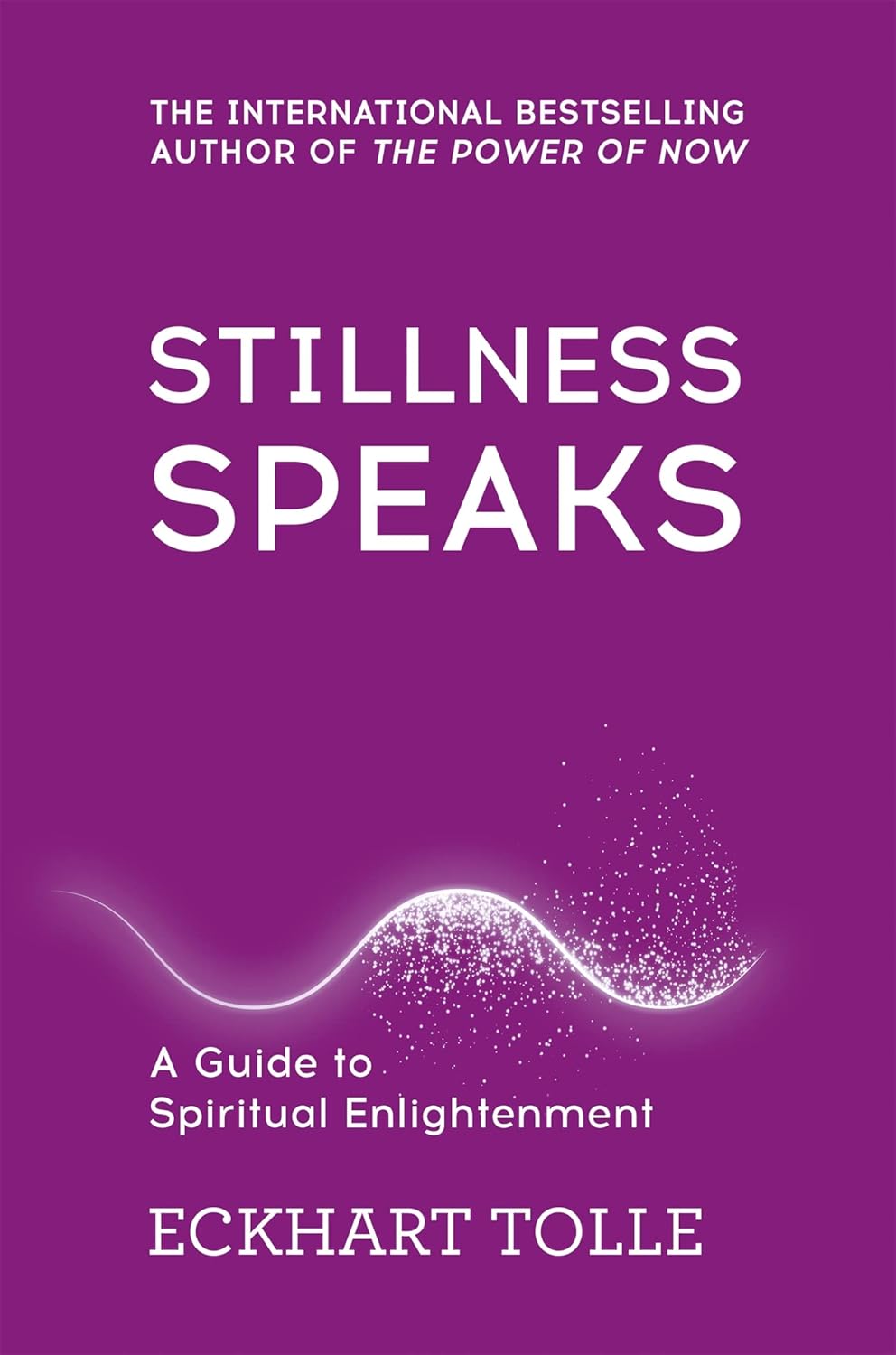
Yellow Kite Stillness Speaks: Whispers of Now by Eckhart Tolle - New Paperback - Mindfulness & Spirituality Companion to The Power of NowStillness Speaks is a companion to The Power of Now by Eckhart Tolle, distilling his teaching on presence into short, contemplative verses. Written for readers familiar with his work and newcomers alike, it offers a gentle route into stillness, silence, and awareness. This paperback edition is ideal for daily reflection, gifting, or building a spirituality and mindfulness collection. First published in 2003, Stillness Speaks marked a shift in style for Eckhart Tolle, featuring short, verse-like passages grouped by theme, inviting the reader to pause and notice the present moment.2,99 £*Shipping: 2,99 £Secure redirect to the provider
-
Yellow Kite 10% Happier by Dan Harris 2 Books Collection Set - Paperback - 10% Happier & Meditation for Fidgety Skeptics - Adult Mindfulness & MeditationDiscover a more mindful you with the 10% Happier 2 Books Collection Set by Dan Harris. This set includes his landmark memoir, 10% Happier, and its hands-on companion guide, Meditation for Fidgety Skeptics. Written in a warm, funny, and grounded style, these books turn the real benefits of meditation into small, sustainable habits you can actually keep. Perfect for busy, restless, and skeptical minds, this set is ideal for beginners, lapsed meditators, and anyone curious about a calmer, less reactive way to live. The books are published by Yellow Kite and Hodder, and are available in paperback format. The ISBN numbers for the books are 9781529329032 and 9781473691391, respectively. The age range for this product is adult.13,99 £*Shipping: 2,99 £Secure redirect to the provider
-
Art of Mindfulness for Beginners: Art Therapy & Nature - Paperback Self-Help Book by B Jain Publishing - Mindfulness & Art Therapy for AdultsDiscover a gentle and accessible guide to mindfulness through art therapy and nature. This beginner-friendly paperback is designed for those looking to slow down and reconnect with the present moment through creative expression. Blending simple art-making exercises with the calming influence of the natural world, it provides practical tools for reducing stress. No artistic experience is required, just an open mind and a willingness to explore mindfulness through colour, texture, and the rhythms of nature. This book sits at the crossroads of art therapy and nature-based mindfulness, two disciplines that can help ease everyday anxiety and mental fatigue. Rather than focusing on technical drawing or painting skill, the book centres on process over product, guiding readers through a series of exercises that promote mindfulness and self-discovery. Published by B Jain Publishing, this paperback is a great resource for anyone looking to cultivate a greater sense of calm and well-being in their daily lives.3,49 £*Shipping: 2,99 £Secure redirect to the provider



-
Is there a timer for mindfulness training, meditation, yoga, and spirituality?
There is no set timer for mindfulness training, meditation, yoga, and spirituality as it varies from person to person. Some people may find it helpful to start with short sessions, such as 5-10 minutes, and gradually increase the duration as they become more comfortable. Others may prefer longer sessions right from the start. It's important to listen to your body and mind and find a timing that works best for you. The key is to be consistent and make it a regular practice in your daily routine. **
-
What is Descartes' dualism?
Descartes' dualism is the philosophical concept that the mind and body are two distinct and separate entities. He argued that the mind (or soul) is non-physical and immortal, while the body is physical and mortal. This dualism suggests that the mind and body interact with each other, but they are fundamentally different in nature. Descartes' dualism has had a significant impact on the philosophy of mind and has been influential in shaping the modern understanding of the mind-body problem. **
-
What are the conceptions of human nature in Descartes, Plato, and Aristotle?
Descartes, a 17th-century philosopher, believed in the dualistic nature of human beings, separating the mind and body. He argued that the mind is a thinking, non-physical substance, while the body is a physical, non-thinking substance. Plato, an ancient Greek philosopher, believed in the immortality of the soul and the existence of a higher reality beyond the physical world. He saw humans as having a rational soul that seeks knowledge and truth. Aristotle, another ancient Greek philosopher, viewed humans as rational animals, emphasizing the importance of reason and virtue in human nature. He believed that humans have the potential for moral and intellectual development. **
-
What does Descartes understand by thinking?
Descartes understands thinking as the mental process of consciousness and self-awareness. He believes that thinking is the essence of human existence, as expressed in his famous statement "Cogito, ergo sum" (I think, therefore I am). For Descartes, thinking encompasses not only rational thought and logical reasoning but also emotions, sensations, and perceptions. Thinking, in Descartes' view, is the foundation of knowledge and the basis for understanding the world and oneself. **

Is René Descartes a deceiving god?
No, René Descartes did not believe himself to be a deceiving god. In his Meditations on First Philosophy, Descartes introduces the concept of a deceiving god as a thought experiment to explore the limits of human knowledge and the possibility of doubt. He uses this idea to demonstrate the need for a method of doubt and skepticism in order to arrive at certain knowledge. Descartes ultimately concludes that God is not a deceiver and that clear and distinct perceptions can serve as a foundation for knowledge. Therefore, Descartes does not present himself as a deceiving god, but rather uses the concept as a tool for philosophical inquiry. **
What is Descartes' conception of God?
Descartes' conception of God is that of a perfect, infinite, and all-powerful being. He argues that the idea of God is innate in humans and that God is the guarantor of the truth of all clear and distinct ideas. Descartes also believes that God is the creator of the universe and that his existence can be proven through the ontological argument. Overall, Descartes' conception of God is central to his philosophy, serving as the foundation for his epistemological and metaphysical beliefs. **
Top-Angebote
Products related to Descartes:
-
Balta Rugs Descartes Abstract Modern Area RugPlush and ultra-soft, this luxurious and trendy collection brings the perfect amount of comfort and design to any space. The supple, smooth low pile, provides the perfect fashion forward addition to any space.90,81 $*Shipping: 0,00 $Secure redirect to the provider
-
Borough Wharf Descartes 70cm Sideboard Black 80cm H X 70cm W X 30cm DThis classic sideboard is meant to make a decorative and practical addition to your home. Durable material: The engineered wood is of exceptional quality with smooth surface and also features strength, stability and resistance to moisture. Made of engineered wood, the sideboard cabinet is easy to clean with a damp cloth.Sufficient storage space: This side cabinet offers ample storage space for keeping various daily essentials well organised and within easy reach.Sturdy top: The storage cabinet features a sturdy top that can be used to display decorative objects such as photo frames or potted plants.Adjustable feet: Four adjustable feet with plastic pads keep the storage furniture balanced on uneven ground and increase stability. Warning:To prevent it being overturned, this product must be used with the provided wall attachment device. Borough Wharf107,99 £*Shipping: 0,00 £Secure redirect to the provider
-
Coronet The Headspace Guide to Mindfulness & Meditation by Andy Puddicombe - Paperback - 10 Minute Daily Meditation for AdultsDiscover the accessible world of mindfulness and meditation with The Headspace Guide to Mindfulness and Meditation by Andy Puddicombe. This practical guide, written in a warm and jargon-free voice, offers a science-friendly framework for complete beginners and lapsed meditators alike. Andy Puddicombe, a former Buddhist monk, distills a decade of monastic training into ten-minute daily practices that can help restore calm, clarity, and focus. By committing to just ten minutes a day, you can meaningfully change how you read and live your life. This paperback reissue of Get Some Headspace provides a clear and accessible route into modern meditation, making it easy to incorporate mindfulness into your busy schedule.2,99 £*Shipping: 2,99 £Secure redirect to the provider
-
Yellow Kite Stillness Speaks: Whispers of Now by Eckhart Tolle - New Paperback - Mindfulness & Spirituality Companion to The Power of NowStillness Speaks is a companion to The Power of Now by Eckhart Tolle, distilling his teaching on presence into short, contemplative verses. Written for readers familiar with his work and newcomers alike, it offers a gentle route into stillness, silence, and awareness. This paperback edition is ideal for daily reflection, gifting, or building a spirituality and mindfulness collection. First published in 2003, Stillness Speaks marked a shift in style for Eckhart Tolle, featuring short, verse-like passages grouped by theme, inviting the reader to pause and notice the present moment.2,99 £*Shipping: 2,99 £Secure redirect to the provider
-
What is Descartes' methodical doubt in the first meditation?
Descartes' methodical doubt in the first meditation is a systematic process of doubting everything that can be doubted in order to find a foundation of certainty. He begins by doubting the information received from the senses, as they can be deceptive. He then extends his doubt to the possibility of being deceived by an evil demon who manipulates his thoughts and perceptions. By casting doubt on everything, Descartes aims to find a secure and indubitable foundation for knowledge. This methodical doubt serves as the starting point for his philosophical inquiry and the development of his famous statement, "Cogito, ergo sum" (I think, therefore I am). **
-
What is René Descartes' view of human nature?
René Descartes' view of human nature is that humans are fundamentally rational beings capable of using reason to understand the world around them. He believed that the mind and body are distinct entities, with the mind being the seat of reason and consciousness. Descartes also emphasized the importance of individual autonomy and the ability to make free choices. Overall, Descartes' view of human nature is characterized by the belief in the power of human reason and the importance of individual agency. **
-
Is there a timer for mindfulness training, meditation, yoga, and spirituality?
There is no set timer for mindfulness training, meditation, yoga, and spirituality as it varies from person to person. Some people may find it helpful to start with short sessions, such as 5-10 minutes, and gradually increase the duration as they become more comfortable. Others may prefer longer sessions right from the start. It's important to listen to your body and mind and find a timing that works best for you. The key is to be consistent and make it a regular practice in your daily routine. **
-
What is Descartes' dualism?
Descartes' dualism is the philosophical concept that the mind and body are two distinct and separate entities. He argued that the mind (or soul) is non-physical and immortal, while the body is physical and mortal. This dualism suggests that the mind and body interact with each other, but they are fundamentally different in nature. Descartes' dualism has had a significant impact on the philosophy of mind and has been influential in shaping the modern understanding of the mind-body problem. **
Similar search terms for Descartes
-
Yellow Kite 10% Happier by Dan Harris 2 Books Collection Set - Paperback - 10% Happier & Meditation for Fidgety Skeptics - Adult Mindfulness & MeditationDiscover a more mindful you with the 10% Happier 2 Books Collection Set by Dan Harris. This set includes his landmark memoir, 10% Happier, and its hands-on companion guide, Meditation for Fidgety Skeptics. Written in a warm, funny, and grounded style, these books turn the real benefits of meditation into small, sustainable habits you can actually keep. Perfect for busy, restless, and skeptical minds, this set is ideal for beginners, lapsed meditators, and anyone curious about a calmer, less reactive way to live. The books are published by Yellow Kite and Hodder, and are available in paperback format. The ISBN numbers for the books are 9781529329032 and 9781473691391, respectively. The age range for this product is adult.13,99 £*Shipping: 2,99 £Secure redirect to the provider
-
Art of Mindfulness for Beginners: Art Therapy & Nature - Paperback Self-Help Book by B Jain Publishing - Mindfulness & Art Therapy for AdultsDiscover a gentle and accessible guide to mindfulness through art therapy and nature. This beginner-friendly paperback is designed for those looking to slow down and reconnect with the present moment through creative expression. Blending simple art-making exercises with the calming influence of the natural world, it provides practical tools for reducing stress. No artistic experience is required, just an open mind and a willingness to explore mindfulness through colour, texture, and the rhythms of nature. This book sits at the crossroads of art therapy and nature-based mindfulness, two disciplines that can help ease everyday anxiety and mental fatigue. Rather than focusing on technical drawing or painting skill, the book centres on process over product, guiding readers through a series of exercises that promote mindfulness and self-discovery. Published by B Jain Publishing, this paperback is a great resource for anyone looking to cultivate a greater sense of calm and well-being in their daily lives.3,49 £*Shipping: 2,99 £Secure redirect to the provider
-
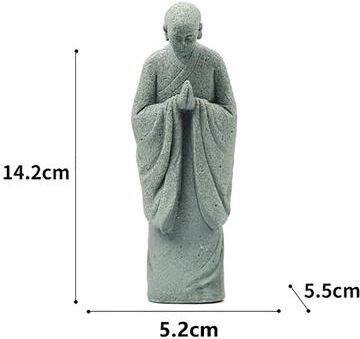
Inspired Living Zen Serenity Mini Buddha Aquarium Statue Green Sandstone Zen Fish Tank Decor meditation bThis peaceful green sandstone Buddha figurine transforms any aquarium, desktop, or garden nook into a haven of calm and mindfulness. Designed for aquarists, home decorators, and anyone longing for quiet moments, the ZenSerenity Mini Buddha Aquarium...52,97 $*Shipping: 0,00 $Secure redirect to the provider
-
Inspire Essentials Zen Monk Miniature Statue Meditation Garden Aquarium Decor aCreate a peaceful and balanced space with this zen monk statue designed to bring calm and mindfulness into your environment. With its simple yet expressive form this buddhist garden decor adds a sense of serenity whether placed in a fish tank garden...49,98 $*Shipping: 0,00 $Secure redirect to the provider
-
What are the conceptions of human nature in Descartes, Plato, and Aristotle?
Descartes, a 17th-century philosopher, believed in the dualistic nature of human beings, separating the mind and body. He argued that the mind is a thinking, non-physical substance, while the body is a physical, non-thinking substance. Plato, an ancient Greek philosopher, believed in the immortality of the soul and the existence of a higher reality beyond the physical world. He saw humans as having a rational soul that seeks knowledge and truth. Aristotle, another ancient Greek philosopher, viewed humans as rational animals, emphasizing the importance of reason and virtue in human nature. He believed that humans have the potential for moral and intellectual development. **
-
What does Descartes understand by thinking?
Descartes understands thinking as the mental process of consciousness and self-awareness. He believes that thinking is the essence of human existence, as expressed in his famous statement "Cogito, ergo sum" (I think, therefore I am). For Descartes, thinking encompasses not only rational thought and logical reasoning but also emotions, sensations, and perceptions. Thinking, in Descartes' view, is the foundation of knowledge and the basis for understanding the world and oneself. **
-
Is René Descartes a deceiving god?
No, René Descartes did not believe himself to be a deceiving god. In his Meditations on First Philosophy, Descartes introduces the concept of a deceiving god as a thought experiment to explore the limits of human knowledge and the possibility of doubt. He uses this idea to demonstrate the need for a method of doubt and skepticism in order to arrive at certain knowledge. Descartes ultimately concludes that God is not a deceiver and that clear and distinct perceptions can serve as a foundation for knowledge. Therefore, Descartes does not present himself as a deceiving god, but rather uses the concept as a tool for philosophical inquiry. **
-
What is Descartes' conception of God?
Descartes' conception of God is that of a perfect, infinite, and all-powerful being. He argues that the idea of God is innate in humans and that God is the guarantor of the truth of all clear and distinct ideas. Descartes also believes that God is the creator of the universe and that his existence can be proven through the ontological argument. Overall, Descartes' conception of God is central to his philosophy, serving as the foundation for his epistemological and metaphysical beliefs. **
* All prices are inclusive of VAT and, if applicable, plus shipping costs. The offer information is based on the details provided by the respective shop and is updated through automated processes. Real-time updates do not occur, so deviations can occur in individual cases. ** Note: Parts of this content were created by AI.