Buy victoriasway.eu ?
We are moving the project
victoriasway.eu .
Are you interested in purchasing the domain
victoriasway.eu ?
domain@kv-gmbh.de · 0541-91531010
Buy victoriasway.eu ?
How can one change their self-concept?
One can change their self-concept by actively challenging and changing their negative beliefs about themselves. This can be done through self-reflection, seeking therapy or counseling, and practicing self-compassion and self-acceptance. Engaging in activities that promote personal growth and self-improvement, such as learning new skills or pursuing hobbies, can also help in changing one's self-concept. Surrounding oneself with supportive and positive people who uplift and encourage them can also contribute to a more positive self-concept. **
What is meant by self-concept in the workplace?
Self-concept in the workplace refers to how individuals perceive themselves in relation to their job, colleagues, and overall work environment. It includes their beliefs, values, skills, and attitudes that shape their identity and behavior at work. A positive self-concept can lead to higher job satisfaction, motivation, and performance, while a negative self-concept may result in lower confidence, job dissatisfaction, and decreased productivity. Developing a strong self-concept in the workplace involves self-awareness, self-acceptance, and continuous self-improvement. **


Similar search terms for Self-concept
Top-Angebote
Products related to Self-concept:
-
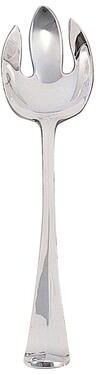
Elegance Heim Concept Sugar TongsThese tongs are constructed with stainless steel and features a beautiful silver-plated finish.Serve afternoon tea with this sugar tongs by Heim Concept Silver to match the Heim Concept of the tradition of serving tea.22,41 $*Shipping: 0,00 $Secure redirect to the provider



-
Is there a timer for mindfulness training, meditation, yoga, and spirituality?
There is no set timer for mindfulness training, meditation, yoga, and spirituality as it varies from person to person. Some people may find it helpful to start with short sessions, such as 5-10 minutes, and gradually increase the duration as they become more comfortable. Others may prefer longer sessions right from the start. It's important to listen to your body and mind and find a timing that works best for you. The key is to be consistent and make it a regular practice in your daily routine. **
-
What is the self-concept in the psychology of Carl Rogers?
In the psychology of Carl Rogers, the self-concept is a central concept that refers to the individual's perception and understanding of themselves. It includes the beliefs, attitudes, and values that a person holds about themselves, as well as their understanding of their abilities, characteristics, and potential. Rogers believed that the self-concept is formed through interactions with others and is influenced by the feedback and experiences that individuals receive from their social environment. He also emphasized the importance of congruence between the self-concept and the actual experiences and feelings of the individual, as well as the role of unconditional positive regard in fostering a healthy and positive self-concept. **
-
Is self-reflection spirituality for you?
Self-reflection can be a part of spirituality for me, as it allows me to connect with my inner self and understand my thoughts, emotions, and actions on a deeper level. Through self-reflection, I can gain insight into my beliefs, values, and purpose, which can contribute to my spiritual growth and development. It provides an opportunity for me to cultivate mindfulness and self-awareness, which are important aspects of my spiritual practice. Overall, self-reflection plays a significant role in my spiritual journey. **
-
What is your concept of human nature?
My concept of human nature is that humans are inherently social beings with the capacity for both good and evil. I believe that humans have a natural inclination towards forming connections with others and seeking meaning and purpose in their lives. At the same time, I recognize that humans are also capable of selfishness, aggression, and other negative behaviors. Overall, I view human nature as complex and multifaceted, shaped by a combination of biological, psychological, and social factors. **


What is the difference between the Christian concept of human nature and Freud's concept?
The Christian concept of human nature typically views humans as inherently good but tainted by original sin, with the potential for redemption through faith and grace. In contrast, Freud's concept of human nature is rooted in psychoanalytic theory, which emphasizes the unconscious mind, childhood experiences, and the influence of instincts and drives on behavior. Freud's view tends to focus more on the complexities and conflicts within the individual psyche, while the Christian perspective often emphasizes the moral and spiritual aspects of human nature. **
What is the difference between a professional self-concept and professional principles?
A professional self-concept refers to how an individual perceives themselves in their professional role, including their skills, abilities, values, and beliefs about their work. It is a reflection of one's identity and understanding of their role in the workplace. On the other hand, professional principles are the ethical guidelines and standards that govern a person's behavior and decision-making in their professional life. These principles guide individuals in their interactions with colleagues, clients, and the broader community, ensuring that they act with integrity and uphold professional standards. In essence, while a professional self-concept is about one's self-perception in the workplace, professional principles are the moral compass that guides one's actions and decisions. **
Top-Angebote
Products related to Self-concept:
-
Art of Mindfulness for Beginners: Art Therapy & Nature - Paperback Self-Help Book by B Jain Publishing - Mindfulness & Art Therapy for AdultsDiscover a gentle and accessible guide to mindfulness through art therapy and nature. This beginner-friendly paperback is designed for those looking to slow down and reconnect with the present moment through creative expression. Blending simple art-making exercises with the calming influence of the natural world, it provides practical tools for reducing stress. No artistic experience is required, just an open mind and a willingness to explore mindfulness through colour, texture, and the rhythms of nature. This book sits at the crossroads of art therapy and nature-based mindfulness, two disciplines that can help ease everyday anxiety and mental fatigue. Rather than focusing on technical drawing or painting skill, the book centres on process over product, guiding readers through a series of exercises that promote mindfulness and self-discovery. Published by B Jain Publishing, this paperback is a great resource for anyone looking to cultivate a greater sense of calm and well-being in their daily lives.3,49 £*Shipping: 2,99 £Secure redirect to the provider
-
Elegance Heim Concept Sugar TongsThese tongs are constructed with stainless steel and features a beautiful silver-plated finish.Serve afternoon tea with this sugar tongs by Heim Concept Silver to match the Heim Concept of the tradition of serving tea.22,41 $*Shipping: 0,00 $Secure redirect to the provider
-
How can one change their self-concept?
One can change their self-concept by actively challenging and changing their negative beliefs about themselves. This can be done through self-reflection, seeking therapy or counseling, and practicing self-compassion and self-acceptance. Engaging in activities that promote personal growth and self-improvement, such as learning new skills or pursuing hobbies, can also help in changing one's self-concept. Surrounding oneself with supportive and positive people who uplift and encourage them can also contribute to a more positive self-concept. **
-
What is meant by self-concept in the workplace?
Self-concept in the workplace refers to how individuals perceive themselves in relation to their job, colleagues, and overall work environment. It includes their beliefs, values, skills, and attitudes that shape their identity and behavior at work. A positive self-concept can lead to higher job satisfaction, motivation, and performance, while a negative self-concept may result in lower confidence, job dissatisfaction, and decreased productivity. Developing a strong self-concept in the workplace involves self-awareness, self-acceptance, and continuous self-improvement. **
-
Is there a timer for mindfulness training, meditation, yoga, and spirituality?
There is no set timer for mindfulness training, meditation, yoga, and spirituality as it varies from person to person. Some people may find it helpful to start with short sessions, such as 5-10 minutes, and gradually increase the duration as they become more comfortable. Others may prefer longer sessions right from the start. It's important to listen to your body and mind and find a timing that works best for you. The key is to be consistent and make it a regular practice in your daily routine. **
-
What is the self-concept in the psychology of Carl Rogers?
In the psychology of Carl Rogers, the self-concept is a central concept that refers to the individual's perception and understanding of themselves. It includes the beliefs, attitudes, and values that a person holds about themselves, as well as their understanding of their abilities, characteristics, and potential. Rogers believed that the self-concept is formed through interactions with others and is influenced by the feedback and experiences that individuals receive from their social environment. He also emphasized the importance of congruence between the self-concept and the actual experiences and feelings of the individual, as well as the role of unconditional positive regard in fostering a healthy and positive self-concept. **
Similar search terms for Self-concept
-
Is self-reflection spirituality for you?
Self-reflection can be a part of spirituality for me, as it allows me to connect with my inner self and understand my thoughts, emotions, and actions on a deeper level. Through self-reflection, I can gain insight into my beliefs, values, and purpose, which can contribute to my spiritual growth and development. It provides an opportunity for me to cultivate mindfulness and self-awareness, which are important aspects of my spiritual practice. Overall, self-reflection plays a significant role in my spiritual journey. **
-
What is your concept of human nature?
My concept of human nature is that humans are inherently social beings with the capacity for both good and evil. I believe that humans have a natural inclination towards forming connections with others and seeking meaning and purpose in their lives. At the same time, I recognize that humans are also capable of selfishness, aggression, and other negative behaviors. Overall, I view human nature as complex and multifaceted, shaped by a combination of biological, psychological, and social factors. **
-
What is the difference between the Christian concept of human nature and Freud's concept?
The Christian concept of human nature typically views humans as inherently good but tainted by original sin, with the potential for redemption through faith and grace. In contrast, Freud's concept of human nature is rooted in psychoanalytic theory, which emphasizes the unconscious mind, childhood experiences, and the influence of instincts and drives on behavior. Freud's view tends to focus more on the complexities and conflicts within the individual psyche, while the Christian perspective often emphasizes the moral and spiritual aspects of human nature. **
-
What is the difference between a professional self-concept and professional principles?
A professional self-concept refers to how an individual perceives themselves in their professional role, including their skills, abilities, values, and beliefs about their work. It is a reflection of one's identity and understanding of their role in the workplace. On the other hand, professional principles are the ethical guidelines and standards that govern a person's behavior and decision-making in their professional life. These principles guide individuals in their interactions with colleagues, clients, and the broader community, ensuring that they act with integrity and uphold professional standards. In essence, while a professional self-concept is about one's self-perception in the workplace, professional principles are the moral compass that guides one's actions and decisions. **
* All prices are inclusive of VAT and, if applicable, plus shipping costs. The offer information is based on the details provided by the respective shop and is updated through automated processes. Real-time updates do not occur, so deviations can occur in individual cases. ** Note: Parts of this content were created by AI.